


St. Paul University at San Miguel
(A Branch of St. Paul University Quezon City)

Overview
The prevalence of the dengue virus has displayed a significant surge on a worldwide scale in the past few decades. At present, more than half of the global population faces a potential threat.
According to the rankings of the World Health Organization, the dengue virus has been identified as being among the ten most significant health issues worldwide due to its rapid transmission. Seasonal patterns are commonly observed in dengue outbreaks, with transmission rates frequently reaching their highest levels during and following periods of rainfall, which has a significant impact on the feeding and reproduction patterns of mosquito populations as well as the incubation period of the dengue virus. Lack of adoption of preventive control measures and inadequately trained personnel are among the challenges encountered.
Dengue Awareness
What is Dengue?
Dengue, also known as dengue fever, is a serious flu-like illness caused by a virus transmitted from mosquitoes to humans. This phenomenon can potentially be fatal and has become a major problem in most parts of the world. The mosquito Aedes aegypti serves as the primary vector behind transmitting the dengue virus, which is believed to have originated on the African continent but has since adapted to urban environments in some areas across the globe, encompassing regions such as Asia, the Pacific Islands, and Central and South America.
The transmission of the dengue virus occurs through the inoculation of the virus into the bloodstream of a human host via the bite of a female Aedes mosquito that has been previously infected with the virus. Through a hematophagous feeding event, the mosquito ingests the virus while consuming blood from a dengue-infected human. This event typically occurs within a seven-day window, during which the viral load in the blood is notably high.
Mosquito-borne infections might also appear among people who are asymptomatic. Subsequently, the mosquito will sustain the infection and retain the ability to spread the dengue virus to other individuals throughout its lifespan, which can last for several weeks. The ongoing effect of dengue transmission is contingent upon the degree of contact between Aedes mosquitoes and individuals infected with the virus within a specific area.
What Causes Dengue?
.jpg)
Aedes mosquitoes are known to be common in tropical and subtropical regions across the globe. These mosquitoes have been linked to spreading four different viruses that lead to the development of dengue fever. The viruses are quite similar in nature and can cause a range of symptoms in affected individuals.
Considering that in most cases of dengue virus, the transmission is carried out by the Aedes mosquito. When a person is bitten by an infected mosquito, the virus can be transmitted to the mosquito, which can then become a carrier of the virus. This means that the mosquito can then transmit the virus to other people it bites, potentially spreading the disease further. However, it is not contagious and cannot be passed from person to person, except if it is from a pregnant person to their child.
Certain types of mosquitoes display a preference for residing in close quarters with human populations, whereas others demonstrate an attraction for inhabiting forested areas, swamps, or areas with tall grasses. Mosquitoes have this attraction for water due to the fact that their larvae and pupae are capable of inhabiting stagnant bodies of water with minimal water flow.
Various species of mosquitoes are attracted to distinct types of water.
Permanent water mosquitoes tend to deposit their eggs in bodies of water that are characterized by a semi-permanent or permanent nature.
* There are mosquitoes that exhibit a preference for unpolluted water sources, whereas others demonstrate an inclination towards water bodies that are enriched with nutrients.
* Some mosquitoes deposit their eggs in close proximity to the edge of lakes and ponds, amidst vegetation present in swamplands and marshes, or within receptacles that contain water.
Floodwater mosquitoes tend to deposit their eggs in damp soil or in containers situated above the water level. The dried-out eggs undergo a period of dormancy until rainfall floods the soil or receptacle, triggering their hatching. Floodwater habitats encompass a variety of ecological niches.
* The formation of portable aquatic habitats resulting from the rainfall
* Floodplains are situated next to waterways and river banks.
* Irrigated agricultural land and grasslands
* Water-holding vessels that become filled subsequent to a rainfall
* Natural holes in trees that accumulate rain.
What Are the Signs & Symptoms of Dengue?
A dengue infection can affect a person’s immune system, whether it shows any symptoms or no signs at all, due to the disease's potential to be asymptomatic.
When symptoms do appear, they might be confused with other illnesses, such as the flu, and they often begin between four and ten days after they have been bitten by an infected mosquito. However, there have been cases in which symptoms appeared immediately after being bitten by an infected insect.
Dengue fever is characterized by a high temperature of 104 degrees Fahrenheit (40 degrees Celsius) together with one or more of the following signs and symptoms:
* Headache
* High Fever
* Vomiting
* Pain behind the eyes
* Muscle, bone or joint pain
* Rash
According to common experience, the majority of individuals tend to recover from their illness within a period of approximately one week. In certain situations, the symptoms of a medical condition may worsen and pose a serious risk to a person's life, making the illness persist in a more severe form known as severe dengue, dengue hemorrhagic fever, or dengue shock syndrome.
When the blood vessels become broken and leaky, the result is severe dengue. There is a decrease in the number of clot-forming cells known as platelets in the blood that can pose a risk of shock, internal bleeding, organ failure, and possibly death if this happens.
Warning signs of severe dengue fever, a potentially fatal condition, can appear suddenly. After the fever decreases, people may start to notice such indicators, which may include:
* Severe stomach pain
* Persistent vomiting
* Blood in your urine, stools or vomit
* Bleeding from your gums or nose
* Bleeding under the skin, which might look like bruising
* Difficult or rapid breathing
* Fatigue
* Irritability or restlessness

How common is dengue fever?
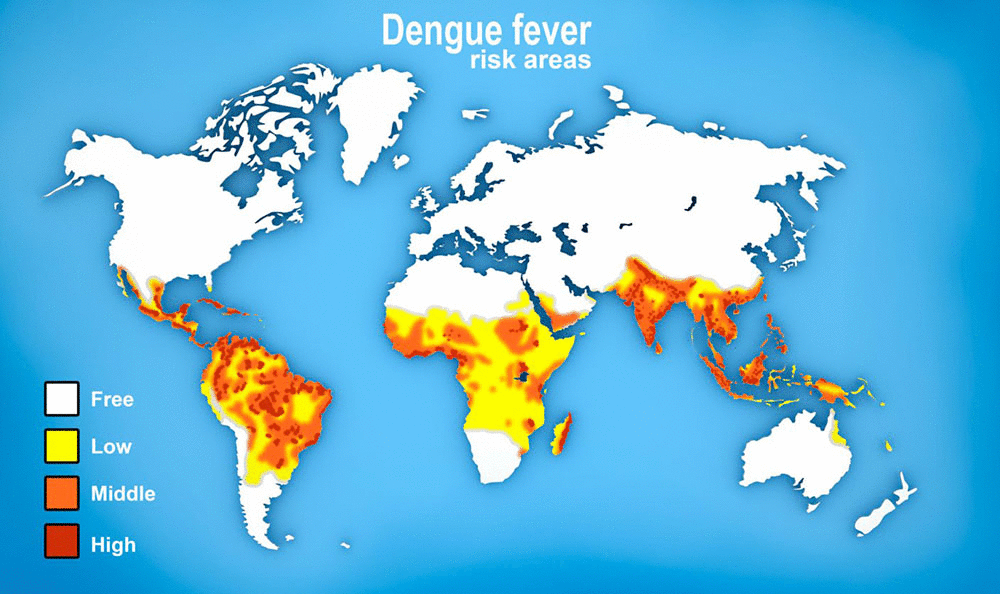
The increasing number of cases reported to the World Health Organization in recent years is evidence that the dengue virus has spread significantly globally. Specifically, the incidence of dengue virus cases has risen from 505,430 in 2000 to 5.2 million in 2019. Most cases are asymptomatic or mild and self-managed, and hence the actual numbers of dengue cases are under-reported. Many cases are also misdiagnosed as other febrile illnesses in which the disease has become endemic in more than 100 countries in the WHO Regions of Africa, the Americas, the Eastern Mediterranean, Southeast Asia, and the Western Pacific. The Americas, Southeast Asia, and Western Pacific regions are the most seriously affected, with Asia representing around 70% of the global disease burden.
Dengue fever is considered an endemic disease in the Philippines, and its transmission risk is at its peak during and immediately after the rainy season, which usually spans from May to November. According to official reports, the incidence of dengue fever in the Philippines was approximately 226,497 cases in 2022, approximately 78,208 cases in 2021, and approximately 90,135 cases in 2020. The national health authorities in the Philippines have documented a heightened incidence of dengue fever across the country. As of February 18, 2023, there had been over 17,130 reported cases of this disease between January 1 and that date. This represents a twofold increase compared to the 8,491 cases documented during a comparable timeframe in 2022. The region with the highest number of cases is the National Capital Region, with a total of 2,609 cases. Following closely behind are Central Luzon with 2,024 cases, Calabarzon with 1,704 cases, Northern Mindanao with 1,620 cases, and Davao with 1,603 cases. The annual incidence of cases can indicate variation, which can be attributed to a multitude of factors, including climatic conditions, population density, and interventions in public health.
Dengue transmission has become a great concern in the province of Bulacan, situated in the Philippines. The Bulacan Provincial Health Office (PHO) has reported a surge in dengue fever cases during the initial five months of 2022. Based on the available data, there was a 54% increase in the number of occurrences from January to June 11, 2022, amounting to 2,737 incidents, as compared to the corresponding period in the previous year. San Miguel (687 cases), San Ildefonso (215 cases), Santa Maria (172 cases), Plaridel (83 cases), and Angat (73) have reported the highest incidence of dengue cases. Consequently, the Governor of Bulacan, Daniel R. Fernando, has mandated the implementation of heightened preventative measures against dengue fever in response to a notable surge in cases. These measures include increased monitoring and surveillance of affected regions, as well as regular fogging and spraying. As of June 4, 2022, the Philippines had recorded a total of 39,705 cases of dengue on a national scale.
The governor issued an instruction to the Provincial Health Office (PHO) to conduct an orientation for barangay officials, health workers, and volunteers with the aim of enhancing the monitoring and execution of the enhanced 4S strategy across all barangays. The 4S strategy, which has been improved, is an acronym that refers to the systematic approach of identifying and eliminating locations where mosquitoes breed, commonly known as "search and destroy." The implementation of protective measures such as the utilization of long pants and long-sleeved shirts, as well as the consistent application of mosquito repellent on a daily basis, can serve as effective means of safeguarding oneself against potential harm from mosquitoes. It is advisable to promptly seek consultation and assistance in implementing fogging and other measures solely in areas identified as sources or hotspots where there has been a consistent rise in reported cases over a period of two weeks in order to avert a potential outbreak.
How to take precautions against Dengue?
The prevention of the dengue virus, a deadly disease transmitted by mosquitoes, can be accomplished by taking appropriate measures. One of the most effective ways to avoid the contraction of dengue fever is to implement measures that forbid the breeding of mosquitoes in the immediate environment. The following are recommendations for the prevention of dengue:
1. Maintain cleanliness and organization in your household.
2. Avoid the accumulation of stagnant water in the vicinity of the household premises. The presence of mosquitoes solely in stagnant water poses a significant hazard, irrespective of its cleanliness.
3. Segregate wet garbage and dispose of it in a designated wet bin that is maintained under cover.
4. During rainy seasons, the likelihood of contracting dengue or mosquito-borne illnesses is significantly elevated due to the accumulation of stagnant water. As such, it is imperative to take all necessary precautions to ensure one's safety.
5. Wear attire that fully covers all skin surfaces.
6. Utilize mosquito repellent cream and maintain its accessibility consistently as a preventive and controlling measure against dengue.
7. Maintain the closure of the doors and windows of the house, particularly during the early morning and evening hours.
8. Separate damp and saturated clothing and footwear from articles that are dry. It is advisable to promptly attend to the drying of damp items.
9. Maintaining cleanliness in our surroundings and urban areas is imperative, not limited to our personal dwellings. It is advisable to address the issue of unattended gutters by implementing appropriate measures. Please address this matter with your local resident welfare association or community leader.
When to see a doctor?
The condition of severe dengue fever is a critical medical situation that poses a significant risk to the patient's life. It is recommended to promptly seek medical attention if one has recently traveled to a region where dengue fever is prevalent, experienced fever, or exhibits any indicative symptoms. Indicators of potential harm involve intense abdominal discomfort, nausea and vomiting, respiratory distress, or the presence of blood in nasal discharge, gum tissues, emetic material, or stool.
In the event of a recent getaway and the onset of fever accompanied by mild symptoms suggestive of dengue fever, it is recommended to promptly contact your doctor.
DISASTER PREPAREDNESS (FLOODING)
TYPES OF FLOODING
Flooding is not just about the flowing of water on roads and other areas. It requires an intensive assessment and forecast so that authorities can give proper warnings and instructions to people in affected areas. Flooding can be categorized into three types: river floods, also known as fluvial floods; flash floods, or pluvial floods; and coastal floods, also known as storm surges.

River Floods (Fluvial floods)
River floods occur when the water from rivers, lakes, and streams rises and flows on nearby lands. It is often caused by continuous heavy rainfall that causes the water to overflow and affect neighboring households. In addition, the rising water level on rivers can also cause dams to break, which may cause excessive flooding.

Flash Floods (Pluvial Floods)
Flash floods occur when a drastic rainfall makes any body of water overflow. It may be understood as river flooding, but flash floods can occur everywhere, even if you are not located near bodies of water. Even households located along straight-line roads or highways can be affected by flash floods.

Coastal Floods (Storm Surge)
Coastal flooding occurs when seawater overflows along the coast. Coastal floods are usually brought on by intense rainstorms (storm surges), which cause a rise in sea level and flow on land areas, or the worst scenario that can happen: a tsunami.
CAUSES OF FLOODING
It is very alarming that there are still some people who are unaware of the different causes of flooding. Flooding can occur anywhere, whether in elevated places or not. It is crucial for each of us to be aware of the different causes of flooding so that people can start to take initiatives to prevent extreme flooding and minimize possible damages. There are many different causes of flooding, but here are the four (4) leading causes:

Heavy Rainfall
Heavy rainfall can occur due to different weather conditions, such as typhoons, which can result in a large amount of rain and can lead to flash floods.

Overflowing of streams, lakes, and rivers (Coastal Flooding)
Areas near rivers and other bodies of water have a higher flood risk when an overflow happens. Moreover, large storms or tsunamis also cause the water to overflow inland. People in these areas should always be prepared during these times.

Collapsed Dams
Dams are built to hold a large amount of water. If dams begin to collapse, it will produce more water downstream which can lead to a series of flooding. In addition, this will also affect people living in low-lying areas and if not prevented this will cause death.

Climate Change
Uncontrolled human activities are the major contributor to the worsening condition of flooding. Extensive deforestation helps the atmosphere to increase the level of carbon dioxide causing sudden changes in weather. In addition, our daily living in the present produces more carbon dioxide in the atmosphere which will make the climate warmer than usual without having trees in the surroundings.
What is flooding?
Floods have the connotative meaning of simply a sensation flowing of water, which doesn’t concern people anymore unless they experience it. Being in high places is not enough to guarantee everyone’s safety. It is still important to be completely equipped with proper knowledge and actions in times like this. Floods might come from a series of rainfall events, but they can claim thousands of lives.
Flooding is a natural phenomenon wherein water overflows onto land that is usually dry. Flooding happens when there is continuous heavy rainfall or a storm surge from a strong typhoon or tsunami in coastal areas.
Some floods occur unexpectedly and can mop up an entire area or even a whole country. Even a foot of water can cause huge destruction. The worst cases of floods cause buildings, houses, and roads to be submerged in the water, cause wide power interruptions, cause sudden landslides, and can even lead to hundreds of drowning deaths.
According to the World Health Organization (WHO), floods can cause widespread devastation, resulting in loss of life and damage to personal property and critical public health infrastructure. Between 1998 and 2017, floods affected more than 2 billion people worldwide. People who live in floodplains or non-resistant in floodplains or non-resistant buildings or lack warning systems and awareness of flooding hazards
are most vulnerable to flooding. In addition, according to reports, overflowing dams can also contribute to excessive flooding. Dam breaks show a record of less than 2% of floods; however, they show the highest increased incidence in terms of population exposed. Floods can be sudden and violent. Floods can flow for a few minutes but can destroy properties that take many years to put up. It is essential for each of us to be knowledgeable enough about how we are going to survive in this time of crisis. We should equip ourselves with proper knowledge about flooding and take early precautions to minimize the damage it can do to us.
What to do?
Since flooding can occur unexpectedly, prior warnings can be sometimes undone. It is always better to be aware and prepared. The following are the things you can do before, during, and after flooding.
Before
· Prepare an emergency plan for evacuation – place to stay in case of sudden rising of water level. Knowing evacuation routes in your community/area provided by your local government will also be a big help.
· Keep all the emergency hotlines in your area/community in case any emergency arises.
· Prepare an emergency kit – including first aid kit, canned foods, battery-operated radio, flashlight, and protective clothing.
· Keep updated of local weather forecasts and alerts – so that you will be informed if you need to evacuate.
· Elevate all your important things (appliances, furniture, clothes, etc.) in a higher place in case flood enters your house.
· Keep updated of local weather forecasts and alerts – so that you will be informed if you need to evacuate.
· Elevate all your important things (appliances, furniture, clothes, etc.) in a higher place in case flood enters your house.
During
· Be alert, quick, and safe – The moment flooding starts, ensure that children and elderly are safe by going to higher grounds. Be prepared to evacuate if given a notice by the authorities in your area.
· Turn off all electrical appliances, gas, and other power operated things in case of power outage. Stay away from power lines or broken power transmission cables.
· Turn around, don’t drown! – Avoid walking and driving during flooding. Flooded waters contain chemicals and toxins that are harmful for our health. Also avoid swimming in flooded waters as it can cause you to drown.
· Keep updated! - Listen to radio and television for weather news, reports of flooding status and flood warnings.
· Keep updated! - Listen to radio and television for weather news, reports of flooding status and flood warnings.
After
· Make sure you have the permission from the authorities to get back in your houses from being evacuated.
· Keep all power and electrical appliances off until the house is cleaned and dry.
· Wear protective gear (mask, boots, gloves) when cleaning your area.
· Be alert for further instructions from the authorities and emergency officials. Keep updated of weather forecasts and reports regarding the status of flooding.
Disasters can strike at any time, in any corner of the world. These events often occur by their nature unexpectedly leaving us unaware. Disaster Preparedness is the only thing that can guarantee everyone’s safety which is why it is important to put time and effort into educating and being prepared.
What else we can do?
For the Community
Determine the possible risks – determine the sources of flooding, areas that are high flood risk, and how it will affect the accessibility on roads of communication.
Build strong relationships – Get to know your neighborhood and support local organizations within your community that support local needs. In this way, when any emergency occurs, you and your community can recover better from the damages it leaves.
Know your community response plan – it is important to have a plan in case of any emergency so that you will know how you will help each other. By identifying a low-risk area to meet and preparing community assets and resources like radios, phones, energy source, and rehearsing these plans, communities will be more successful in sharing information, coordinating action, and communicating with one another and other organizations during an emergency.
Encourage the local government to respond – The local government can be a help to lessen the community's risk of flooding by investing in constructing strategies that will minimize possible damages. Prepare needed equipment for rescue operations, food supplies for the people, and proper training for rescuers.
For the Environment
Trees can save lives! – Hundred of trees can save a thousand lives. Trees can prevent extreme flooding by absorbing excess water from the rain. It should be a habit for us to plant trees and prevent illegal logging. Imagine the number of lives and properties it can save just because you planted a single tree. Proper Waste Disposal – Disposing your waste properly can prevent clogging on drainages that causes flooding.
For our Health
According to the World Health Organization (WHO), floods can potentially increase the transmission of water- and vector-borne diseases, such as typhoid fever, cholera, malaria, and yellow fever. Among others, it is important to know your risk and protect your water sources. The most common risks associated with flooding is the contamination of drinking-water facilities, and standing water, which can be a breeding site for mosquitoes, bring chemical hazards, and cause injuries.
The following are the things you can do to protect your health during a flood:
1. Knowing your community’s evacuation route and warning signals, and identifying areas prone to flooding or landslides.
2. Chlorinating or boiling all water for drinking and food preparationEnsuring uninterrupted provision of safe drinking water is the most important preventive measure to be implemented following flooding, in order to reduce the risk of outbreaks of water-borne diseases.
3. Promoting good hygienic practices and safe food preparation techniques
Do not use flood water to wash dishes, brush teeth or wash and prepare food. Always wash your hands with soap and water if you have been in contact with floodwater.
4. Avoiding walking or driving through flooded areas and standing water.
Even the smallest amount of water can bring about significant dangers. You do not know if electrical lines have fallen in the water or hazardous chemicals exist. Cars and people can easily be swept away during a flood.
5. Throwing away any food that has come in contact with floodwater.
If your food has touched any floodwater, it is not safe to eat and increases your risk of water-borne diseases.
6. Safely cleaning your home if it has come in contact with floodwater.
Throw out any items that cannot be washed and cleaned with bleach, such as pillows and mattresses. Clean all walls, floors and other surfaces with soap and water, as well as bleach.
7. Protect against mosquitos
If your home is in an area with stagnant or standing water, use mosquito repellent, following the instructions on the label, and apply it to clothes or skin. Also wear trousers and long-sleeved shirts, and cover beds with mosquito nets when sleeping.